
Machiasport
The site of the first naval battle of the American Revolution, with the Fort O'Brien earthworks, the Gates House and the village of Liberty Hall. Its historical society documents the harbour and the sea trade.
East Machias exists because of the river. Every other part of its story — the mills, the ships, the school, the streets you can still walk — comes out of that one decision about where to settle.
The long version
The land now called East Machias was first settled in the 1760s and remained part of neighbouring Machias for sixty years. The principal settlement grew around a falls on the East Machias River, where several mills were established — and mills meant power, which meant a village, which meant ships.
For most of the nineteenth century this was an economically successful shipbuilding and lumbering area. That wealth is what you see standing along the east bank of the river.
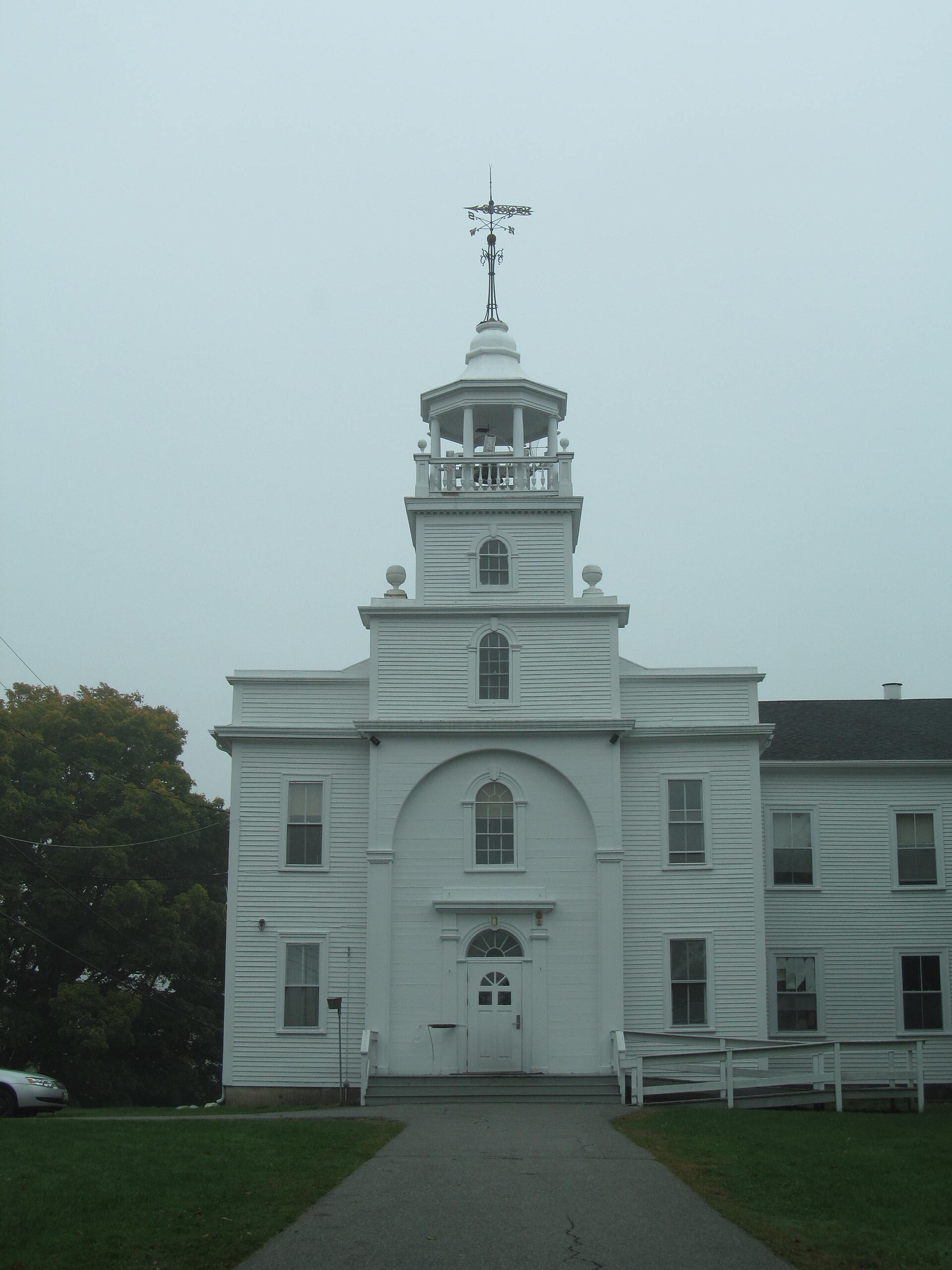
Washington Academy was founded in 1792 and was given a permanent home in East Machias in 1823 — the building still stands, with its tower visible from the road. In 1826 the area was set off from Machias as its own town.
Families settle the land around the falls on the East Machias River. The name Machias comes from the Passamaquoddy language and is generally translated as "bad little falls" — a reference to the rapids on the neighbouring river.
The wider Machias area is the site of the first naval battle of the American Revolution — the Margaretta Days festival in modern Machias commemorates it each June. Fort O'Brien, in Machiasport, was built in 1775 and rebuilt in 1777 over the site of the engagement.
The independent school that still overlooks the river is established. It received its permanent home in East Machias in 1823 and continues to operate as one of the oldest independent secondary schools in the country.
Several mills operate on the falls, and the prosperity that follows makes East Machias one of the busiest lumber and shipbuilding centres on this stretch of coast. The archaeological remains of four separate mills survive in the village.
The town is set off from Machias. It operates as a working mill, lumber and shipbuilding community for the better part of the nineteenth century.
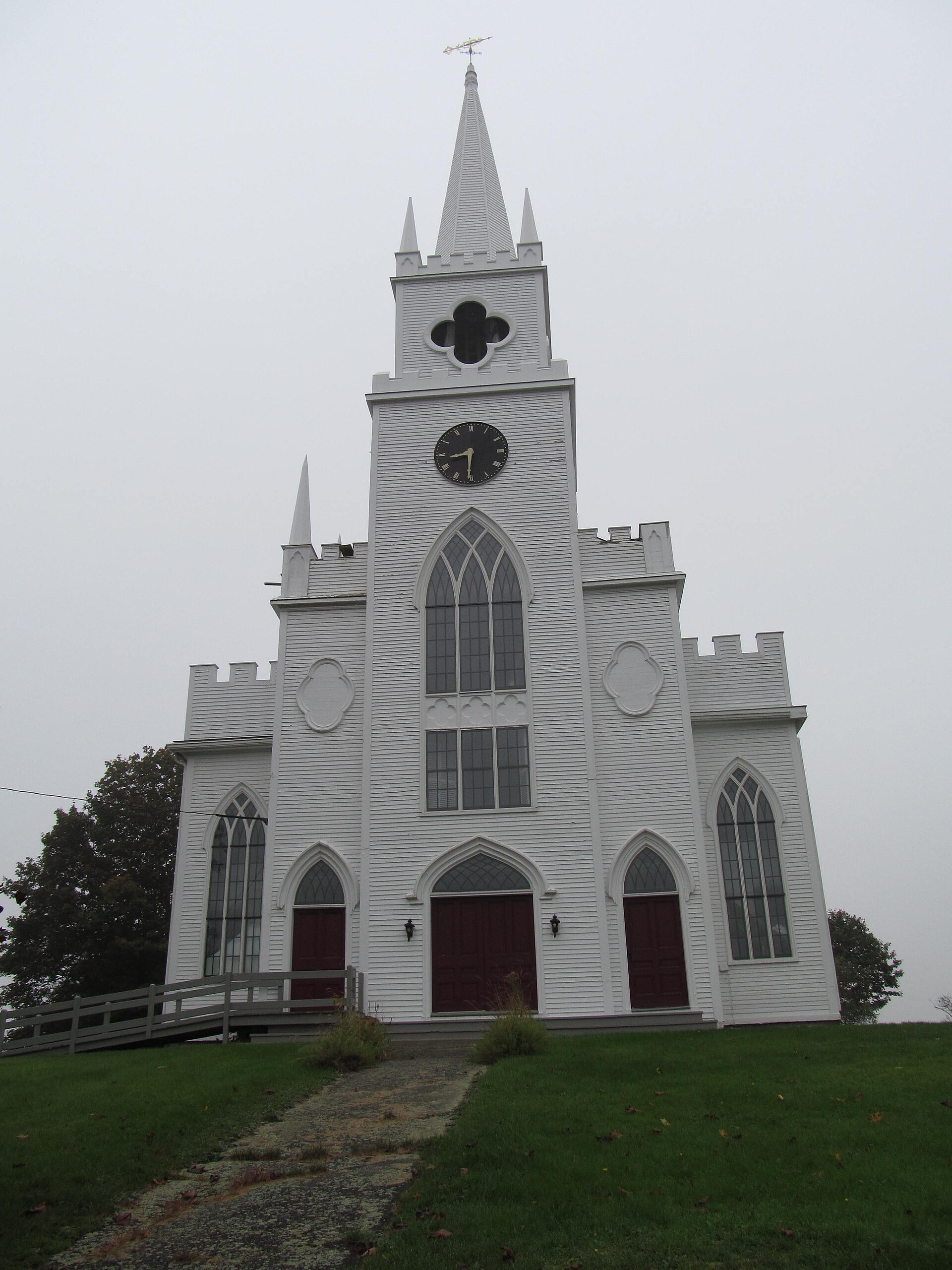
The historic village centre — 63 acres along the east bank of the river — is listed on the National Register of Historic Places on 11 April 1973. The district includes houses built between about 1760 and 1880, several churches, the 1823 Washington Academy building, a former schoolhouse, two mid-nineteenth-century commercial buildings and the archaeological remains of four mills.
Much of the shoreline that once shipped lumber now carries a different kind of industry. The East Machias Aquatic Research Center, run by the Downeast Salmon Federation, raises Atlantic salmon for stocking in the Narraguagus and East Machias rivers — part of a long effort to bring the run back.
On foot
The district runs along the east bank of the river between the Route 1 bridge in the north and the Willow Street bridge to the south, reaching inland to include Water Street and Cutler Road.
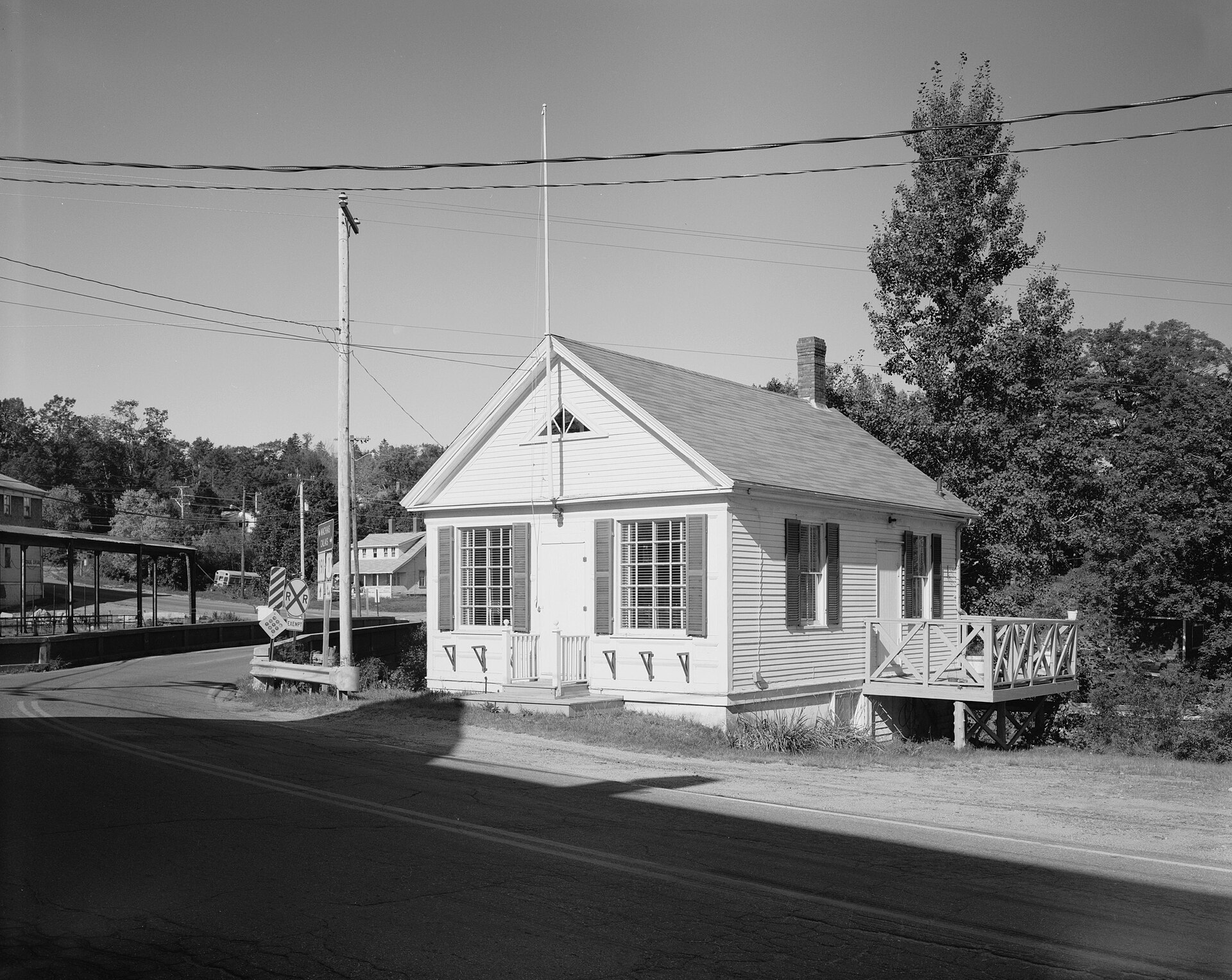
HABS photo, Library of Congress · public domain
A record in pictures
The most thorough record of early East Machias is the Historic American Buildings Survey — a series of measured drawings and photographs of the village taken for the Library of Congress in the 1930s. Buildings that have since been altered, moved or lost are documented frame by frame.
For local history with a personal dimension, the East Machias Historical Society keeps meeting at its building on Hoyt Town Road, and holds programmes on the town's families, buildings and the mills.
Nearby
Almost every town around Machias Bay has a National Register district, and most have a historical society that will open its doors.
The site of the first naval battle of the American Revolution, with the Fort O'Brien earthworks, the Gates House and the village of Liberty Hall. Its historical society documents the harbour and the sea trade.
The county seat holds the Burnham Tavern, built in 1770 and designated a National Historic Site — one of only 21 homes in the country recognised for its Revolution significance, and the only one in Maine.
A granite port with its own historic district, the Central Congregational Church, the Todd House, and the West Quoddy Head Light — the most easterly lighthouse in the United States.
Two of the best-preserved 19th-century civic buildings in Washington County: Jonesboro Grange No. 357 and the Jonesboro Union Church.
The Columbia House and the Union Church sit in the village, a short drive north-east from East Machias on the Cutler Road.
A historic district and the old Cherryfield Academy, in the last real town before the border road takes you to Eastport.